In today’s busy lifestyle, maintaining a healthy diet can sometimes feel complicated. With countless diet trends, meal plans, and nutrition advice available online, it can be difficult to understand what actually works for your body and your goals.
At Swiftsoma, we believe that the best diet plan is not about eating less or following restrictive food trends. It is about providing your body with the right balance of nutrients, choosing quality foods, maintaining appropriate portions, and developing eating habits that you can follow consistently.
Whether your goal is weight loss, weight gain, muscle building, improved fitness, or simply a healthier lifestyle, a well-planned diet can play an important role in helping you make sustainable progress.
What Is the Best Diet Plan?
There is no single diet plan that is perfect for everyone. Your ideal diet depends on several factors, including your age, lifestyle, activity level, fitness goals, food preferences, and individual nutritional needs.
A good diet plan should provide a balance of:
- Protein for muscle maintenance and repair
- Carbohydrates for energy
- Healthy fats for essential body functions
- Fibre for digestive health
- Vitamins and minerals for overall wellbeing
- Adequate fluids for hydration
Instead of following a temporary diet, the goal should be to develop a balanced eating pattern that can become part of your everyday lifestyle.
Why a Balanced Diet Matters
Your body needs a variety of nutrients to function properly. Eating a wide range of nutritious foods can help you meet your nutritional requirements while supporting an active lifestyle.
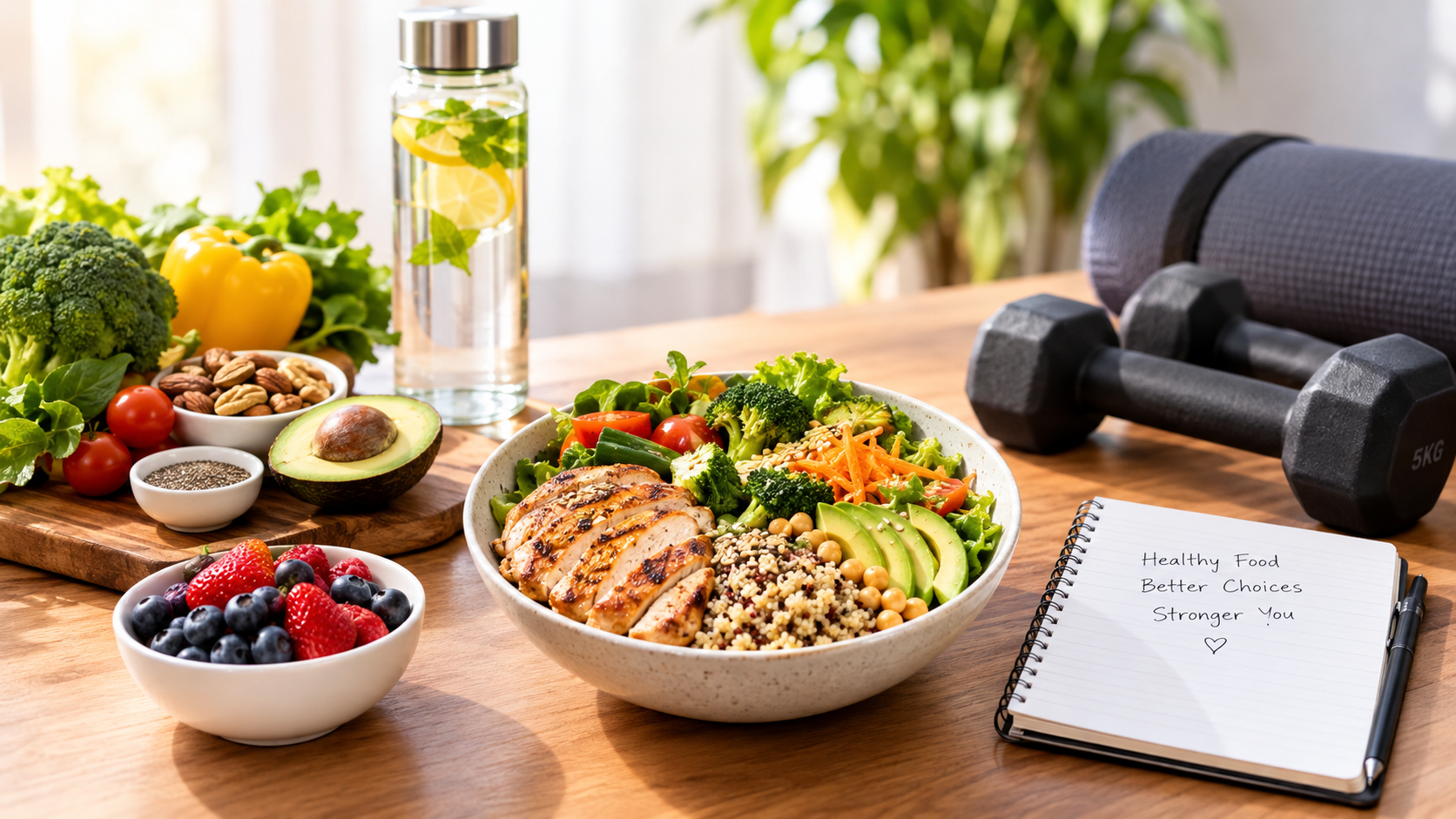
A balanced meal can include a combination of vegetables, fruits, whole grains, pulses, dairy or suitable alternatives, nuts, seeds and protein-rich foods.
The key is variety, balance and moderation.
What Should Your Daily Diet Include?
1. Protein-Rich Foods
Protein is an important part of a balanced diet and is particularly valuable for people who exercise regularly or are working toward building and maintaining muscle.
Good options can include:
- Dal and lentils
- Beans and chickpeas
- Paneer and curd
- Eggs
- Fish and lean meat
- Soy-based foods
- Nuts and seeds
Your individual protein requirements can vary depending on factors such as body size, activity level and fitness goals.
2. Healthy Sources of Carbohydrates
Carbohydrates are an important source of energy, especially for people who participate in exercise and fitness activities.
Choose nutritious carbohydrate sources such as:
- Whole grains
- Oats
- Brown rice
- Whole-wheat roti
- Millets
- Potatoes and other vegetables
- Fruits
Rather than completely eliminating carbohydrates, focus on choosing appropriate portions and nutrient-rich sources.
3. Healthy Fats
Healthy fats are also an important part of a balanced diet.
Sources can include:
- Nuts
- Seeds
- Peanuts
- Avocado
- Certain plant oils
- Fatty fish
The goal is not to eliminate fats but to consume them in appropriate quantities as part of a balanced diet.
4. Vegetables and Fruits
Vegetables and fruits provide fibre and a wide range of vitamins, minerals and other beneficial nutrients.
Try to include different colours and varieties throughout the week rather than relying on only one or two types.
Sample Healthy Indian Diet Plan
A simple daily structure could look like this:
Early Morning:
Water followed by a nutritious option if required based on your routine and preferences.
Breakfast:
Oats with fruit and nuts, vegetable poha, idli with suitable accompaniments, eggs with whole-wheat toast, or another balanced breakfast.
Mid-Morning:
A seasonal fruit, curd, or another nutritious snack.
Lunch:
Roti or rice with dal, vegetables, salad and a protein-rich food such as paneer, curd, eggs, fish or lean meat.
Evening Snack:
Fruit, roasted chickpeas, nuts, sprouts, curd or another balanced snack.
Dinner:
A balanced combination of vegetables, protein and an appropriate portion of whole grains or other carbohydrate sources.
Hydration:
Drink sufficient fluids throughout the day according to your individual needs, activity level and environmental conditions.
This is only a general example. A suitable diet plan should be adjusted according to your individual requirements and goals.
Best Diet Plan for Weight Loss
Weight loss is not simply about skipping meals or drastically reducing food intake.
A sustainable approach generally focuses on:
- Appropriate portion sizes
- Nutrient-dense foods
- Adequate protein
- Plenty of vegetables and fruits
- High-fibre food choices
- Limiting excessive processed foods and added sugars
- Regular physical activity
- Adequate sleep and hydration
A personalized approach can make it easier to create a realistic eating routine that fits your lifestyle.
Best Diet Plan for Weight Gain
Healthy weight gain requires more than simply eating large quantities of calorie-dense foods.
A balanced weight-gain approach can include:
- Nutrient-rich calorie sources
- Adequate protein
- Whole grains
- Dairy or suitable alternatives
- Nuts and seeds
- Pulses and legumes
- Regular balanced meals and snacks
- Strength training when appropriate
The objective should be to support healthy weight gain while maintaining overall nutritional quality.
Diet and Exercise: A Powerful Combination
Nutrition and exercise work together.
At Swiftsoma, we believe that achieving fitness goals involves more than focusing on exercise alone. A combination of strength training, cardio, movement and appropriate nutrition can help create a well-rounded approach to fitness.
Your nutritional needs may also change depending on whether your goal is weight loss, muscle development, improved fitness or general wellbeing.
Common Diet Mistakes to Avoid
Many people struggle with their diet because they follow approaches that are difficult to maintain.
Common mistakes include:
- Following extreme diets
- Skipping meals unnecessarily
- Completely eliminating entire food groups without a valid reason
- Eating too little protein
- Relying heavily on processed foods
- Ignoring portion sizes
- Not drinking enough fluids
- Expecting immediate results
- Constantly changing diet plans
- Comparing your diet with someone else’s
Consistency is generally more useful than constantly searching for the next quick-fix diet.
Why a Personalized Diet Plan Can Be Better
Everyone has different nutritional needs and lifestyle circumstances. A diet that works well for one person may not be appropriate for another.
A personalized nutrition approach considers factors such as:
- Your current eating habits
- Fitness goals
- Daily activity
- Food preferences
- Lifestyle
- Meal timings
- Personal nutritional requirements
At Swiftsoma, our goal is to help you understand healthy eating and develop practical nutrition habits that support your individual fitness journey.
Build a Healthier Lifestyle with Swiftsoma
Your health journey does not need to begin with an extreme diet.
Start with small, sustainable changes. Choose nutritious foods, maintain balanced meals, stay active, drink enough fluids and create habits that you can continue over time.
Whether your goal is weight loss, weight gain, strength development, better fitness or a healthier lifestyle, Swiftsoma can help you take a more structured approach to your health and nutrition journey.
Ready to take the next step?
Connect with Swiftsoma for personalized guidance and support designed around your fitness and nutrition goals.
Frequently Asked Questions
1. What is the best diet plan for a healthy lifestyle?
The best diet plan is one that provides a variety of nutritious foods in appropriate portions and fits your individual nutritional needs, lifestyle and goals.
2. Can I follow the same diet plan for weight loss and weight gain?
Not necessarily. Weight loss and weight gain have different nutritional requirements, so your food intake and overall plan should be adjusted according to your specific goal.
3. Do I need to stop eating carbohydrates to lose weight?
No. Carbohydrates can be part of a balanced diet. The focus should be on nutritious carbohydrate sources, appropriate portions and your overall dietary pattern.
4. Is a personalized diet plan necessary?
A personalized plan can be useful because nutritional requirements differ from person to person. Individual goals, activity levels, preferences and lifestyle can all influence what approach is suitable.
5. Can diet and exercise be combined for better fitness results?
Yes. Appropriate nutrition combined with regular physical activity can support overall fitness and help you work toward goals such as healthy weight management and improved strength.
Final Thoughts
The best diet is not necessarily the strictest diet. It is a balanced and practical approach that helps you nourish your body while fitting naturally into your lifestyle.
At Swiftsoma, we focus on helping you make informed and sustainable choices so that healthy eating becomes a lifestyle—not a short-term challenge.
Stronger Body, Happier Mind and Better You.